Someone hacked the CIA. The agency that’s supposed to be the hardest to hack.
Hackers got into an unclassified system the CIA and the nation’s top intelligence office use to track the world. Officials say no secrets were touched. Who did it, and what they took, is still unknown.
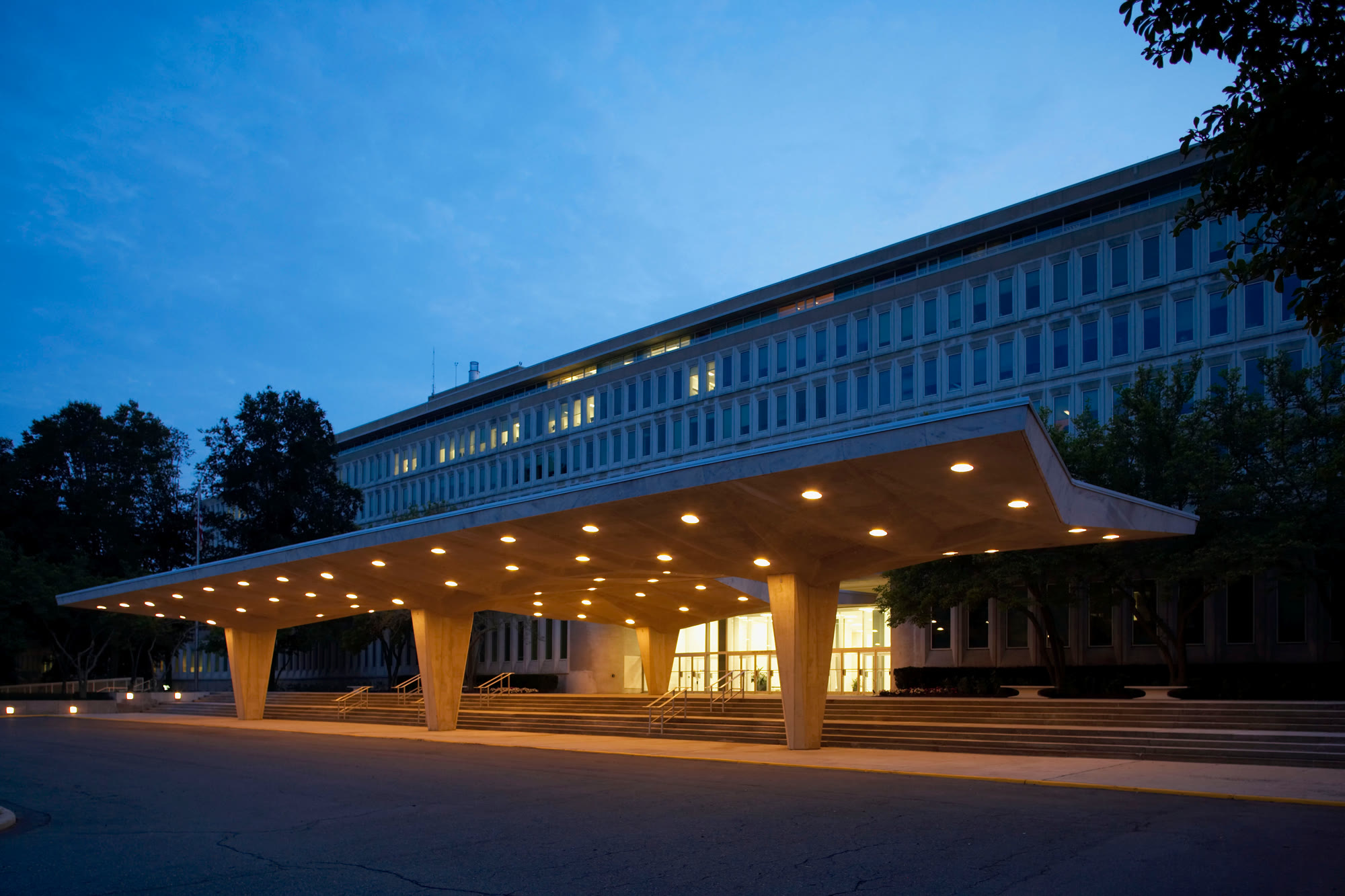
The CIA is the agency whose whole job is keeping secrets. Today, we learned that someone got into one of its computer systems.
Hackers breached an unclassified system used by the CIA and the Office of the Director of National Intelligence, The New York Times first reported Tuesday. The Associated Press confirmed a breach of an unclassified CIA system through a person familiar with it, who said it “did not involve any classified information and the issue has been resolved,” according to the AP story published by SecurityWeek.
An ODNI spokesperson said there had been “no disruptions to critical capabilities or classified systems,” IBTimes reported, citing Reuters. The CIA declined to comment.
What got hit
The system handles what spies call open source intelligence, or OSINT. That’s the “collection and analysis of publicly available data from sources including the internet, commercial satellites and private data brokers,” the AP explained. Nextgov described it as a system “used to analyze public and commercially available information,” which analysts use to track “foreign governments, military activity and other developments.”
So no, nobody has reported that hackers walked off with the CIA’s top-secret files. But “public” doesn’t mean “harmless.”
“Calling this ‘unclassified’ doesn’t make it harmless, though,” Ben Bernstein of the security firm Huntress told Nextgov. Get into a system like this, he said, and “you get a solid look at U.S. intelligence priorities and blind spots without ever touching a classified file.”
Think of it this way. The news articles and satellite photos might be public. What the CIA chooses to look at, how often, and what it ignores is not. That’s the part a rival would want.
What we don’t know yet
Quite a lot, and it’s worth being clear about it.
- Who did it. “It was not clear what specific information was compromised or who was responsible,” the AP reported.
- What was taken. IBTimes noted that neither the AP nor the Times established whether the data “had been viewed, copied or removed.”
- When it happened. No report has said when the break-in started or when it was found.
- How far it spread. The Times reported that information at other agencies may also have been exposed. Nextgov, citing the Times, said the National Geospatial-Intelligence Agency, which handles satellite imagery, was “concurrently affected.”
Nextgov also reported, citing unnamed sources, that an automated hacking tool called ARTEX, built by a Chinese cybersecurity engineer who goes by “Autumn-27,” is “believed to have been used.” No other outlet has confirmed that, and who built a tool doesn’t tell you who used it. No government has blamed anyone.
A very strange month
Here’s why people are paying attention. This isn’t the first odd thing to happen to the federal government’s computers in November.
- Nov. 13: A nationwide FAA ground stop, the AP reported, along with a Microsoft outage on Nov. 12 and 13.
- Last week: The NSA’s classified network was down for three days before coming back Friday, Nextgov reported. We covered that here.
- Last week: The Agriculture Department took several applications offline after a security incident, disrupting payments to farmers, according to Nextgov.
- Saturday: The FBI began investigating an apparent hack of the National Crime Information Center, the database police use during traffic stops, Newsweek reported.
Officials have said these aren’t connected. Director of National Intelligence Jay Clayton went on Sunday TV and blamed the outages on a rush to install software patches, and the administration says they are not “part of a coordinated cyberattack,” the AP reported. Secretary of State Marco Rubio said there was “zero evidence” linking them, according to Newsweek.
That was before today’s news. “No public account has established a connection” between the CIA breach and the other incidents, IBTimes noted. We aren’t saying there is one. But it’s fair to ask the question, and fair to expect an answer.
Why it matters to you
You may never touch a CIA computer. But the agencies hit this month run things you do touch: the flights you take, the police database checked when you’re pulled over, the payments farmers count on and the intelligence that keeps the country safe.
Every one of these systems is only as strong as the oldest patch and the busiest employee. When outages and hacks pile up in the same month, the public deserves a clear explanation of what happened, what was exposed and what’s being fixed, even if the answer is “it’s a coincidence.”
Forward
What to watch: whether the CIA or ODNI says what was taken and who did it, whether Congress calls for a briefing, and whether investigators find any link between this breach and the other incidents this month. So far, no lawmakers have been quoted on it.
What would help: a public timeline. The agencies don’t have to reveal secrets to tell Americans when a breach started, when it was caught and whether it’s over.
Our question for you: is this a coincidence, or do you think someone is testing America’s defenses? Tell us in the comments.
- SecurityWeek / Associated Press: an unclassified CIA system was breached in a cyberattack
- Nextgov/FCW: CIA, ODNI unclassified intelligence system hacked
- IBTimes: CIA and ODNI open-source intelligence network breach
- Newsweek via Yahoo: what was affected, and the wider string of incidents
- America.co News: our Nov. 18 story on the NSA network outage
Photo: The entrance to the CIA’s Original Headquarters Building in Langley, Virginia. Central Intelligence Agency / public domain, via Wikimedia Commons.